


How to Cut Costs Through Food Waste Management in Food & Drink Manufacturing
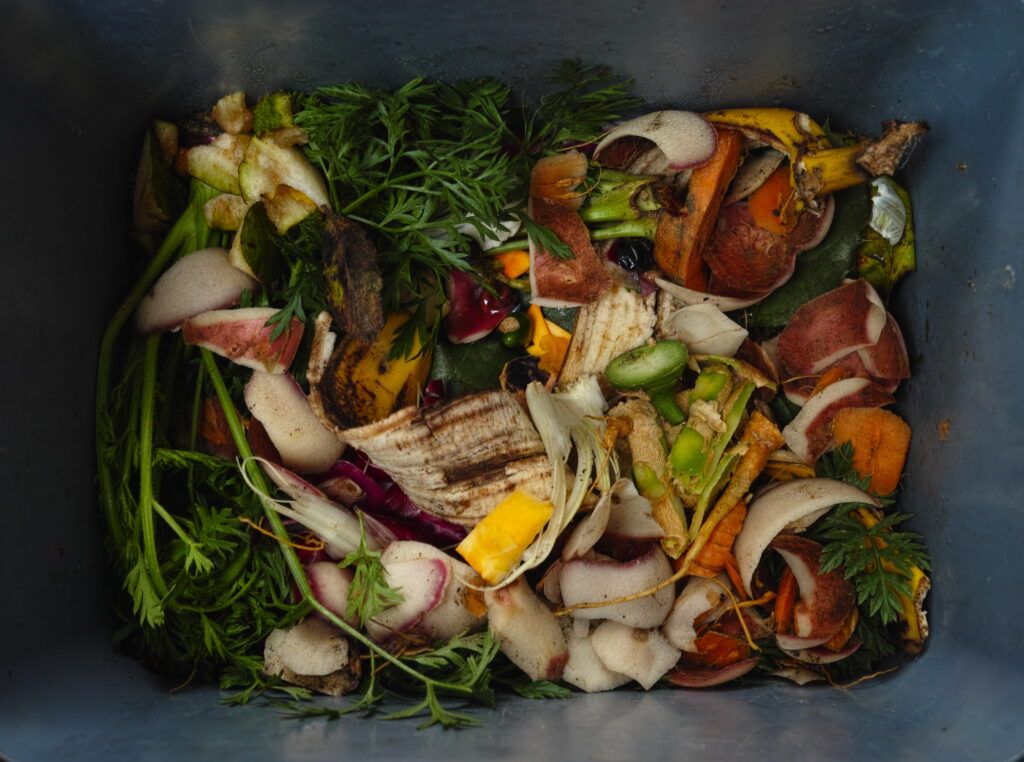
For relevant manufacturers, drink and food waste management is no longer just a compliance issue. It is now a growing operational cost that directly affects profitability.
Operations and facilities managers now face growing pressure to do more with less, driven by rising disposal charges, increasing energy costs, tighter legislation, and shrinking production margins. At the same time, regulations such as Simpler Recycling and Extended Producer Responsibility (EPR) are forcing businesses to take a closer look at how they handle materials across the entire production process.
The challenge is clear: reduce drink and food waste management costs without compromising compliance, hygiene standards or production throughput.
The good news is that across many food and drink production environments, producers can achieve significant savings through smarter waste management strategies and the right processing equipment.
Why Food Waste Management Costs Are Rising
Food and drink manufacturers are under more pressure than ever to control waste-related expenditure. The combination of stricter environmental regulations, rising haulage costs and growing consumer scrutiny around sustainability means that poor food waste management is no longer simply an operational inconvenience, and it has a direct impact on the bottom line.
Understanding where your costs are coming from is the first step to reducing them. Common cost drivers include:
- Contaminated mixed waste streams that limit disposal options
- High collection frequency due to uncompacted materials
- Inefficient handling of liquid-containing packaging
- Missed opportunities for organic waste diversion or recyclable material rebates
Start with Waste Stream Segregation
Why Segregation Is the Foundation of Effective Food Waste Management
One of the most effective ways to reduce waste costs is also one of the simplest, by separating materials correctly at source.
Mixed waste is expensive. Once recyclable materials become contaminated with food residue or liquids, disposal options become more limited and recovery costs increase. By improving segregation across production and packing areas, manufacturers can often reduce general waste volumes by a third or more.
Key areas to review include:
- Organic waste streams
- Plastic packaging
- Cardboard and paper
- Aluminium and metal containers
- Liquid waste and washdown residue
Better segregation not only lowers disposal costs but also improves rebate opportunities for recyclable materials and reduces the risk of non-compliance under evolving waste legislation.
For high-throughput manufacturing sites, small process changes can have a major financial impact over time.
Reduce Collection Frequency Through Compaction
How Compaction Equipment Lowers Your Food Waste Management Spend
Transport and collection costs are a major contributor to overall waste spend, particularly for facilities generating large volumes of lightweight packaging waste.
Compaction equipment helps manufacturers reduce material volume by up to 80%, allowing fewer collections and lower haulage costs while improving housekeeping standards on site. Materials such as EPS (polystyrene), PET bottles, aluminium cans, plastic film and cardboard can all be compacted efficiently to reduce storage requirements and improve handling.
In drinks manufacturing environments specifically, managing liquid-containing materials presents an additional challenge. Partially filled cans and PET bottles are heavy, difficult to process and expensive to transport. This is where dewatering and separation technologies can deliver substantial operational savings.
Recover Value From Organic and Packaging Waste
Turning Food Waste Into a Resource
Food and drink manufacturers are increasingly looking beyond disposal and towards resource recovery.
Businesses can often divert organic waste streams into anaerobic digestion or animal feed applications, while segregated packaging materials may generate rebates depending on quality and volume. However, the efficiency of this process depends heavily on how well businesses prepare materials before collection or onward processing.
For manufacturers dealing with packaged food waste, off-specification product, date-expired stock, or production returns, the Mavitec Depack Model S separates the organic fraction from its packaging on-site before it leaves the facility. Rather than passing the separation burden downstream to an AD operator, which affects gate fee terms and access to higher-value routes, the problem is handled at source. It produces a clean organic output (>99.7% purity in independent lab testing, depending on material composition), recovered packaging exits for recycling rather than becoming contaminated feedstock, and the machine handles both dry and wet packaged material making it suitable across a wide range of food production contexts.
Removing liquids from drinks containers before compaction can reduce collected waste weight considerably and improve material recovery rates. This reduces transportation costs while making recyclable materials easier to handle downstream. The RUNI screw compactor range is designed exactly for this type of application: separating liquids from aluminium cans and PET bottles during the compaction process and producing dense, manageable output. The result is lower haulage costs, cleaner recyclable streams, and reduced storage space requirements, all of which contribute to a measurable reduction in cost over time.
The Role of Equipment in Long-Term Drink & Food Waste Management
On-Site Handling & Where the Biggest Savings Are Found
While many manufacturers focus on collection contracts when trying to reduce disposal spend, the biggest savings often come from improving handling efficiency on site.
The right processing equipment can help facilities:
- Reduce labour associated with waste handling
- Minimise storage space requirements
- Improve site cleanliness and safety
- Lower transport and collection frequency
- Increase recycling rebates
- Reduce compliance risk while improving reporting and traceability
These improvements are not just environmental initiatives. They are operational efficiencies with a direct commercial return. For operations managers under pressure to improve margins, material handling should be viewed as part of the production efficiency conversation, not simply a facilities issue.
Future-Proofing Against Regulatory Change
What Simpler Recycling and EPR Mean for Food Waste Management
With regulations continuing to evolve, manufacturers that invest in better material handling infrastructure now are likely to be in a stronger position moving forward.
Simpler Recycling reforms will place greater emphasis on consistent material segregation, while EPR legislation will increase scrutiny around packaging waste accountability and recovery. Sites relying on outdated handling processes may find themselves facing rising costs, operational disruption, or increased compliance pressures in the years ahead.
By contrast, facilities that improve segregation, reduce contamination and optimise waste logistics are better positioned to control costs long term.
For many manufacturers, relatively small improvements in compaction, dewatering and material recovery can lead to significant savings across transport, labour and disposal costs.
Talk to Us
If you’re looking at your food waste management costs and not sure where the biggest opportunities are, we’re happy to take a look. PRM works with manufacturers across the food and drink sector to reduce disposal costs, identify the right equipment, and build a case for investment that holds up under scrutiny.
View our equipment range or get in touch to arrange a conversation with our team.
Frequently Asked Questions: Food Waste Management for Manufacturers
What is the most cost-effective first step in improving food waste management?
Waste stream segregation at source is typically the highest-impact, lowest-cost starting point. Separating organic waste, plastics, cardboard and liquids correctly before materials become contaminated can reduce general waste volumes by a third or more and immediately lower disposal costs.
How much can compaction equipment reduce waste volumes?
Compaction equipment can reduce material volume by up to 80%, significantly cutting collection frequency and associated haulage costs. This is particularly effective for lightweight packaging materials such as cardboard, plastic film, EPS and aluminium cans.
Can food waste be diverted away from landfill or incineration?
Yes. Organic food waste can often be directed into anaerobic digestion (AD) or animal feed pathways, both of which typically carry lower gate fees than landfill or energy-from-waste. The key is ensuring the organic fraction is clean and uncontaminated, which is where on-site separation equipment makes a significant difference.
How do regulations like EPR and Simpler Recycling affect food manufacturers?
Both regulations place greater responsibility on producers to manage and account for packaging waste. EPR introduces financial accountability for packaging put onto the market, while Simpler Recycling requires consistent segregation of materials. Manufacturers with poor waste handling infrastructure face increasing compliance risk and potential cost exposure as these regulations are enforced.
Is investment in waste processing equipment financially justifiable?
For most mid-to-large food and drink production sites, yes. Savings across collection frequency, haulage, labour, storage and recycling rebates typically deliver a clear return on investment. PRM can help build a business case tailored to your site’s waste volumes and current costs.